
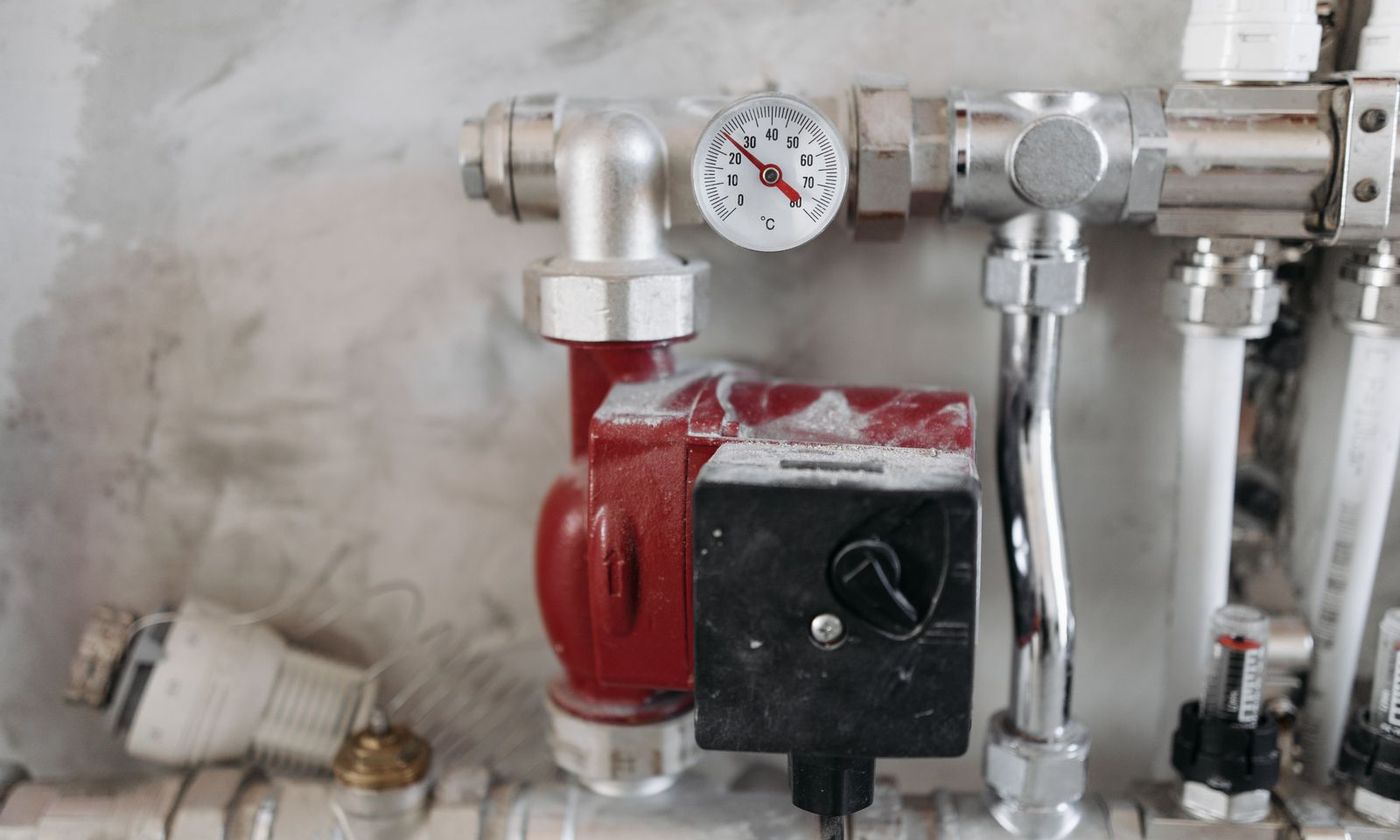
What the valve protects against
A sealed steel tank full of water being heated is a pressure vessel. The T&P valve opens if temperature exceeds roughly 210°F or pressure exceeds roughly 150 PSI, releasing water down a discharge pipe before the tank can be over-stressed. It is the one component on a water heater that must never be capped, plugged or bypassed.
A discharging valve is a symptom
The instinct when a T&P valve drips is to replace the valve. Sometimes that is right — but more often the valve is reporting a genuine condition, and fitting a new one just resumes the countdown. The real causes are usually:
- Thermal expansion with no outlet. On a closed system, heated water has nowhere to expand, so pressure climbs on every heating cycle. This is the most common cause by far and is solved with an expansion tank, not a new relief valve.
- High incoming water pressure. Supply pressure above roughly 80 PSI, or a failed pressure-reducing valve, pushes the system near the relief threshold before the heater does anything.
- Overheating. A thermostat stuck closed drives tank temperature past the valve's limit. That is a thermostat fault and a scald risk.
- A worn valve seat. Mineral deposits or age prevent the valve reseating cleanly after it has opened, leaving it weeping continuously.
Never cap a discharging relief valve
Plugging the discharge pipe or fitting a cap removes the only protection against over-pressure. If a valve is discharging, the cause needs finding — the valve is the warning, not the problem.
The discharge pipe
The pipe itself has requirements that are frequently ignored on older installations. It should run full size from the valve, slope downward continuously, terminate near the floor with no threaded end, and have no valve anywhere along it. Discharge pipes that run uphill, reduce in size, or end in a threaded cap are common in older Wilmington basements and defeat the valve's purpose.
Testing and seizure
T&P valves can seize in place, particularly on heaters where the valve has never been operated. A valve that has sat untouched for a decade may not open when it needs to. Testing a valve on an old heater carries a real chance that it will not reseat afterwards and will then need replacing — which is a legitimate outcome rather than a failure of the test.
Closed systems in Wilmington
Thermal expansion problems have become much more common locally as backflow preventers and pressure-reducing valves have been fitted at more service connections. Once a check valve sits between the house and the main, the plumbing becomes a closed system and expanding water can no longer push back into the street. Homes across Brandywine Hundred, Wilmington Manor and Newport that have had meter or service work done sometimes start seeing relief valve discharge within weeks, with nothing having changed at the heater itself.
Where a valve is discharging alongside pooling water, it is worth reading leak repair as well, since the two get confused often.
Related repairs
- Expansion tank repairWaterlogged tanks, failed bladders and incorrect pre-charge pressure.
- Water heater leak repairTracing leaks at fittings, valves, connections and the tank itself.
- Water heater thermostat repairMiscalibrated controls, stuck contacts and tripped high-limit switches.
- Water heater replacementTank and tankless replacement, correct sizing, venting and code compliance.
Questions we get asked
Why is water dripping from the pipe next to my water heater?
That is usually the T&P valve discharging. It generally means real excess pressure or temperature in the system, most often thermal expansion on a closed plumbing system.
Can I just replace the relief valve to stop the dripping?
Only if the valve itself has a worn seat. If pressure or temperature is genuinely exceeding the limit, a new valve will discharge too — the underlying cause has to be found first.
Is it safe to cap the discharge pipe?
No, under no circumstances. The discharge pipe is the valve's outlet, and blocking it removes the tank's over-pressure protection entirely.
How often should a T&P valve be replaced?
There is no fixed interval, but valves that have never been exercised can seize. A valve that fails to reseat after testing, or one showing mineral crust around the outlet, should be replaced.
Get it looked at
Describe what the heater is doing when you call — the symptom usually narrows the fault before anyone arrives.
(302) 603-9708 Call now for service