
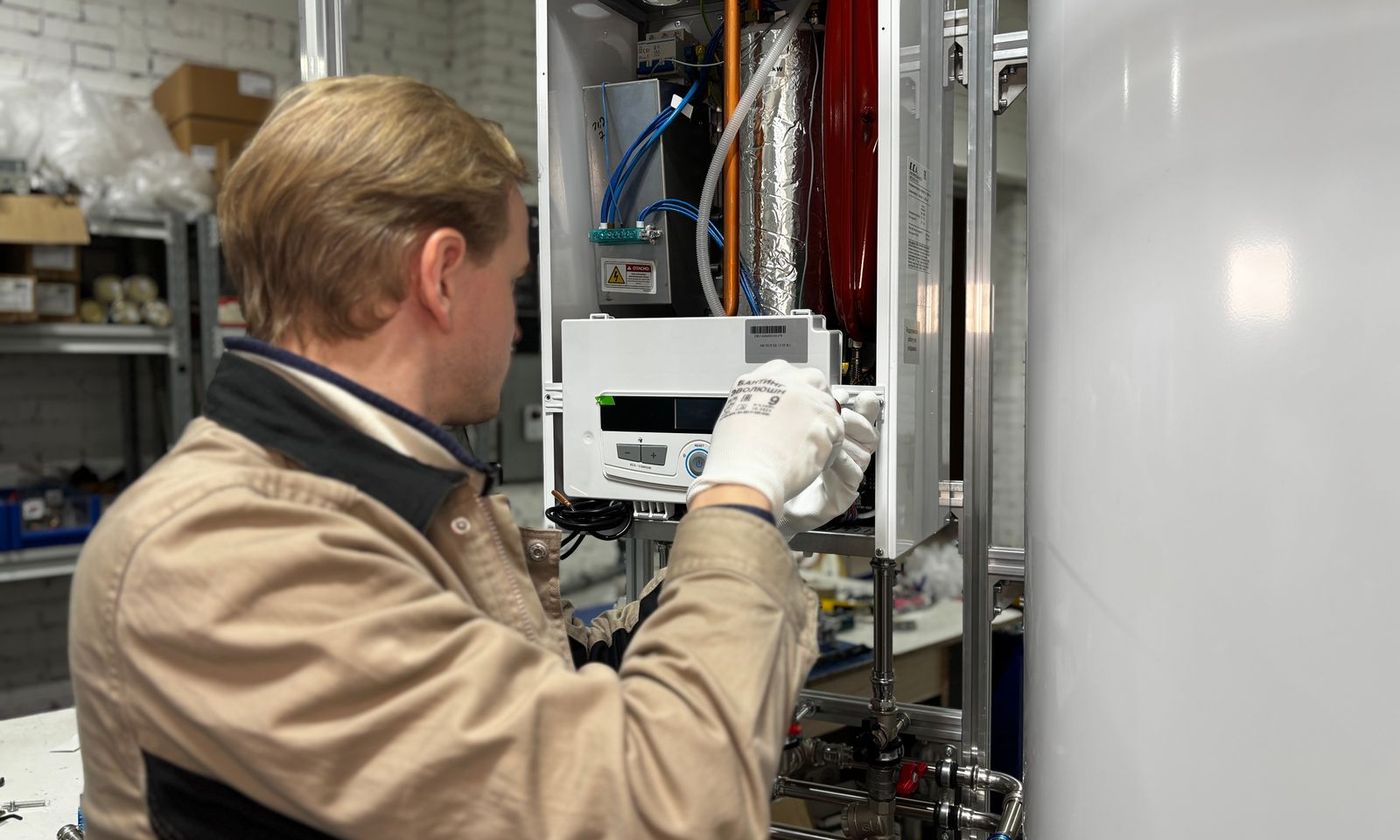
Water heater repairs we handle
Most calls fall into one of two groups: something has stopped working entirely, or something has been getting worse for a while. Both are worth diagnosing properly rather than replacing parts and hoping.
- No hot water repairComplete loss of hot water on gas, electric and tankless systems.
- Water heater leak repairTracing leaks at fittings, valves, connections and the tank itself.
- Water heater not heatingLukewarm water, short supply and slow recovery on any fuel type.
- Gas water heater repairBurner, pilot, gas valve and venting faults on natural gas and propane tanks.
- Electric water heater repairElement, thermostat, high-limit and wiring faults on 240V tanks.
- Tankless water heater repairError codes, descaling, flow sensors, igniters and venting on on-demand units.
- Pilot light repairThermocouples, thermopiles, pilot orifices and igniter assemblies.
- Water heater thermostat repairMiscalibrated controls, stuck contacts and tripped high-limit switches.
- Heating element repairBurned-out and scaled elements, correct wattage matching, grounded element faults.
- Water heater burner repairClogged ports, poor combustion, soot and manifold faults on gas tanks.
- Pressure relief valve repairDischarging, dripping and seized T&P valves — and the pressure problems behind them.
- Expansion tank repairWaterlogged tanks, failed bladders and incorrect pre-charge pressure.
- Drain valve repairDripping, seized and sediment-blocked drain valves, plus tank flushing.
- Water heater noise repairPopping, rumbling, banging, ticking and screeching — matched to their cause.
- Water heater replacementTank and tankless replacement, correct sizing, venting and code compliance.
Gas, electric and tankless
The fuel type decides where the fault is likely to be, so it is the first thing established on any call.
Gas storage tanks
Heat comes from a burner underneath. Faults cluster around the pilot, the thermocouple, the gas control valve, the burner itself and the venting that carries combustion gases out. See gas water heater repair.
Electric storage tanks
Two elements and two thermostats wired in series. Which one failed determines exactly what you notice at the tap. See electric water heater repair.
Tankless units
No stored water, so faults appear as error codes and temperature swings rather than a cold tank. Scale on the heat exchanger is the leading cause. See tankless water heater repair.
When the tank has failed
A perforated tank cannot be repaired, patched or sealed. That is the one fault where replacement is the only honest answer.
Why water heater work is worth doing properly
A water heater is a pressure vessel with a live energy source attached to it. Gas units produce combustion gases that have to leave the building; electric units run on 240 volts with terminals sitting behind a thin access panel. The safety devices on them — the temperature and pressure relief valve, the high-limit cut-out, the thermal switch under the burner — exist because the failure modes are serious.
That matters for a practical reason as well as a safety one. Most water heater symptoms have several possible causes, and they overlap. A tripped reset button, a dripping relief valve and a pilot that will not stay lit are each reporting a condition rather than identifying a part. Replacing the obvious component without finding what caused it is the most common reason the same fault returns within weeks.
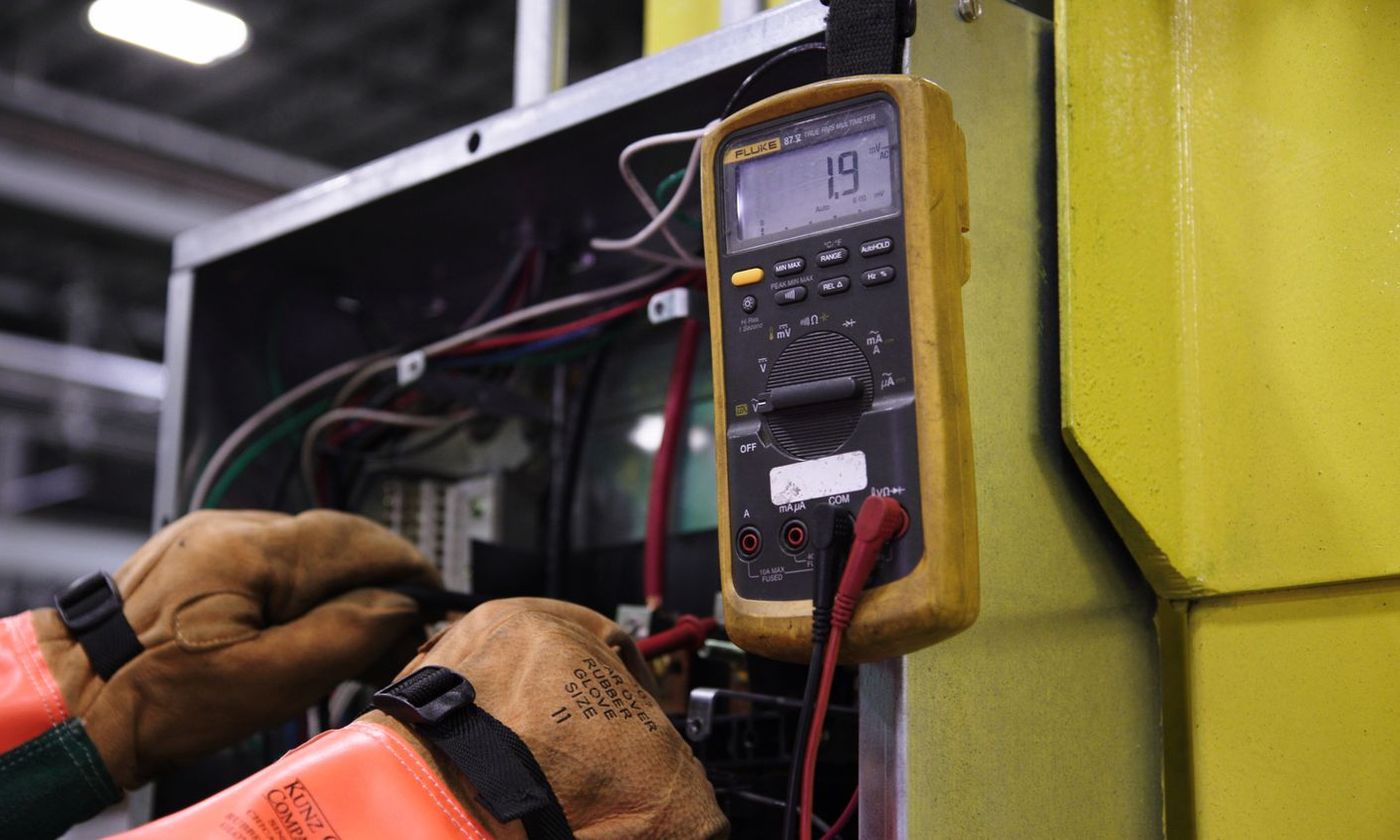
Wilmington homes, and what they do to water heaters
Two things shape most of the work here. The first is the city's older attached housing, where heaters sit in narrow basements and frequently share a masonry chimney with the furnace. When a high-efficiency furnace is installed and side-vented, the water heater is left alone on a flue far too large for it, draft never establishes properly, and the pilot drops out every cold snap. It looks like a failing thermocouple and is not.
The second is water chemistry. Supply water across Wilmington and New Castle County carries enough mineral content to build a measurable sediment layer over a tank's life. On gas heaters that layer insulates the burner from the water — slow recovery, rumbling, and stress on the tank lining. On electric heaters it buries the lower element and burns it out. A great many heaters in this area have never been flushed once.
Work is carried out across the city and the surrounding New Castle County communities. Common areas include Trolley Square, Little Italy, Hedgeville, Brandywine Hundred and Elsmere.
Service areas
Wilmington and the surrounding communities across New Castle County. The service areas page has notes on each.
- Trolley Square
- Little Italy
- Riverside
- Browntown
- Union Park Gardens
- Wawaset Park
- The Highlands
- the Ninth Ward
- Hedgeville
- Richardson Park
- Elsmere
- Newport
- Marshallton
- Prices Corner
- Wilmington Manor
- New Castle
- Claymont
- Bellefonte
- Talleyville
- Brandywine Hundred
- Greenville
Questions we get asked
How do I know if my water heater needs repair or replacement?
If the steel tank itself is leaking, it needs replacing — internal corrosion cannot be repaired. If a component such as an element, thermostat, thermocouple or drain valve has failed on a tank that is otherwise sound, repair is usually the better option.
How long should a water heater last?
Conventional storage tanks commonly run somewhere in the eight to twelve year range, with regular flushing making a real difference. Tankless units last considerably longer when they are descaled on schedule.
What should I do first if my water heater is leaking?
Close the cold water shut-off valve on the pipe feeding the heater, then switch off the gas control or the breaker. Stopping the water supply matters more than identifying the source, especially in a finished basement.
Why does my hot water run out so much faster than it used to?
Usually either a failed lower heating element on an electric tank, or sediment build-up taking up volume at the bottom of the tank. Both reduce the usable hot water without changing the temperature of the first draw.
Is a water heater that makes noise dangerous?
The noise itself is not, but it indicates sediment build-up that stresses the tank and shortens component life. Sudden loud banging, or noise alongside leaking or a discharging relief valve, should be checked promptly.
Do you work on tankless water heaters?
Yes — error code diagnosis, descaling, flow sensor and ignition faults, and venting problems on wall-hung on-demand units.
No hot water, or water where it should not be?
Call and describe what the heater is doing. The symptom usually narrows the fault before anyone arrives.
(302) 603-9708 Call now for service