
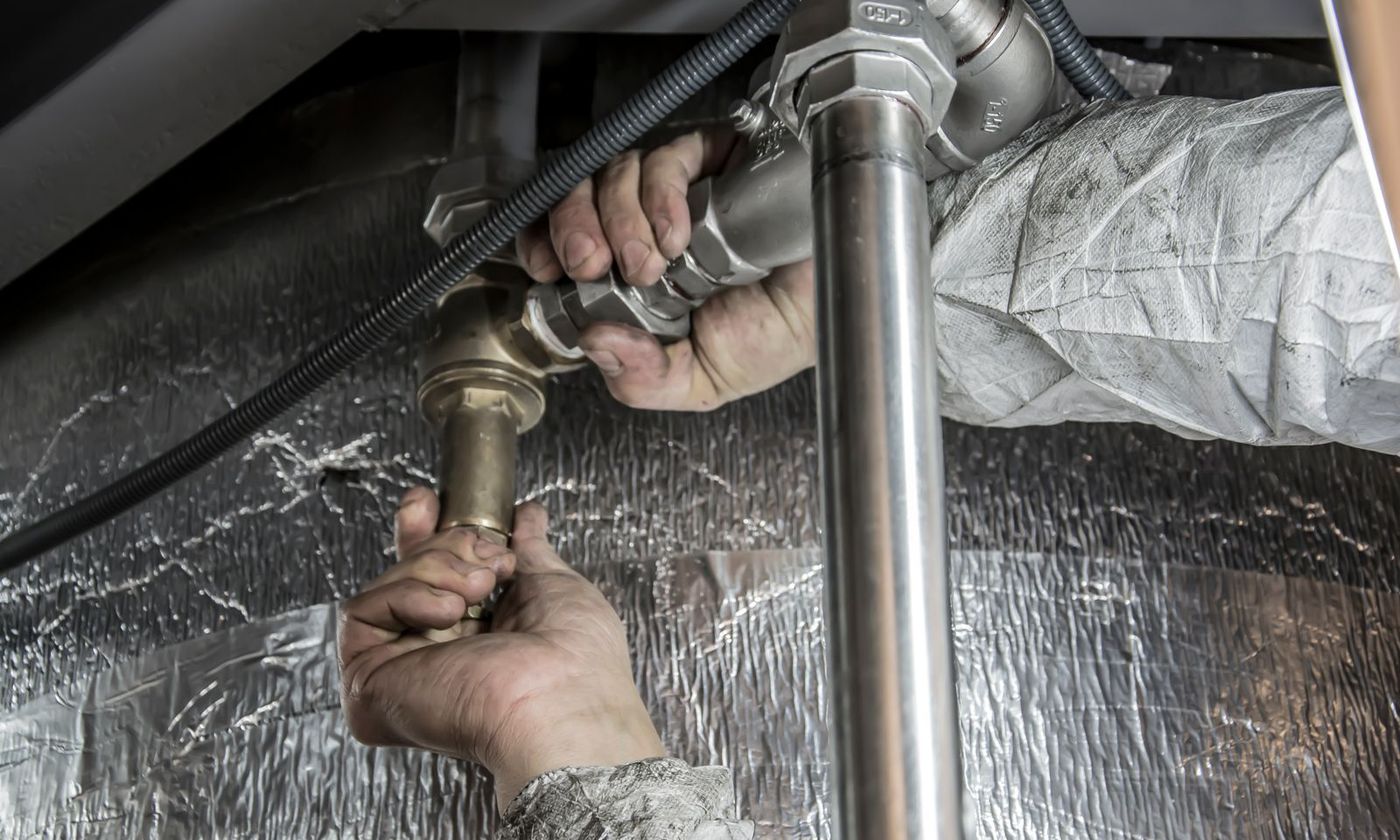
A small part with a bad reputation
Most residential heaters ship with a plastic drain valve. It is adequate when new and unreliable thereafter — the plastic distorts with heat cycling, the seat picks up mineral deposits, and the handle becomes brittle. Brass valves hold up far better and are a worthwhile upgrade whenever one needs replacing.
The three ways they fail
Will not stop dripping
Sediment lodges in the seat during a flush and the valve never reseats. This is why a heater that was dry for years starts dripping immediately after maintenance — the valve was holding only because it had never been moved.
Will not open
The handle turns but nothing comes out, because sediment has packed solid against the inside of the valve. Forcing it usually snaps a plastic handle off.
Will not close again
A brittle plastic valve cracks under the force of being opened after years of disuse, leaving an open port on a full tank. This is the failure that floods basements.
Weeping at the threads
The connection into the tank corrodes and seeps around the body rather than through it. Looks identical to a valve fault but is a joint problem.
Before you open an old drain valve
On a heater that has never been flushed, know where the cold water shut-off is before you touch the drain valve. If a brittle valve fails open on a full tank, closing the supply is the only thing that stops it.
Replacing without draining the tank
A drain valve can often be swapped on a full tank using a plug-and-swap technique, which avoids the hours a full drain and refill takes. It is not always possible — heavy sediment or a badly corroded port can rule it out — but where it works it turns a half-day job into a short one.
Flushing, and why it matters here
The drain valve's real purpose is maintenance. Flushing removes the sediment that shortens element life, causes the rumbling covered under noise repair, and slows recovery on gas heaters. Annual flushing meaningfully extends tank life, and it is the maintenance task most often skipped entirely.
On a tank that has gone many years without a flush, the sediment can be too compacted to drain through the valve at all. In those cases the valve is removed entirely to clear the port, which is both more effective and more likely to reveal how far gone the tank is.
Older heaters in Wilmington basements
A high proportion of heaters in Wilmington's older housing have never been flushed once. In the rowhome blocks through Hedgeville, Browntown and Riverside, heaters frequently sit on a basement floor with no floor drain nearby and no pan underneath, which makes a failed drain valve an immediate water-damage problem rather than a nuisance.
Where the drain valve has already been leaking for a while and the base of the tank shows rust staining, it is worth checking whether the tank itself is sound — see leak repair for how those get told apart.
Related repairs
- Water heater leak repairTracing leaks at fittings, valves, connections and the tank itself.
- Water heater noise repairPopping, rumbling, banging, ticking and screeching — matched to their cause.
- Heating element repairBurned-out and scaled elements, correct wattage matching, grounded element faults.
- Water heater replacementTank and tankless replacement, correct sizing, venting and code compliance.
Questions we get asked
My drain valve started dripping after I flushed the tank. Why?
Sediment lodged in the valve seat and it can no longer close fully. It is a very common sequence and normally means the valve needs replacing, not that the flush caused damage.
Nothing comes out when I open the drain valve. What now?
Sediment has packed against the inside of the valve. Do not force a plastic handle — it will break. The valve usually has to be removed to clear the port.
Is it worth upgrading to a brass drain valve?
Yes. Brass valves resist heat distortion and mineral build-up far better than the plastic ones fitted as standard, and they are much less likely to fail when you actually need to drain the tank.
How often should I flush my water heater?
Annually is the usual guidance, and it matters more the harder your supply water is. A tank that has gone many years without flushing may need the valve removed to clear compacted sediment.
Get it looked at
Describe what the heater is doing when you call — the symptom usually narrows the fault before anyone arrives.
(302) 603-9708 Call now for service